Winning an election requires more than just charisma and good intentions; it demands a strategic, data-driven approach. This guide provides a step-by-step framework to build a winning campaign, from initial planning to final victory. We'll explore key phases, actionable steps, and crucial considerations to maximize your chances of success. This isn't just theory; it's a practical roadmap designed to help you win your race. For more resources on winning your election, check out this helpful guide: Campaign Strategies.
Phase 1: Planning & Research – Laying the Foundation
This phase is crucial. Think of it as building a strong foundation for a skyscraper – without it, the whole structure is at risk. Thorough planning now will save you headaches and wasted resources down the line. What are your voters thinking, and how will you reach them?
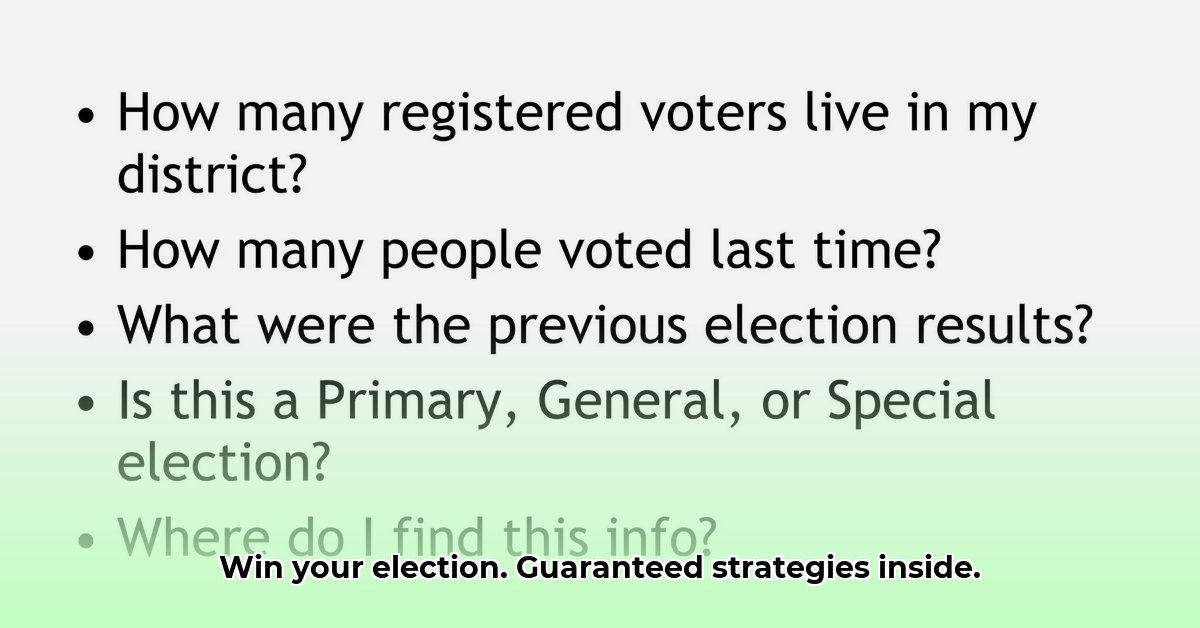
1. Know Your Voters (Voter Analysis): Understanding your electorate is paramount. Don't rely on assumptions; delve into the data. Analyze voter demographics (age, income, location), their key concerns (e.g., healthcare, education, the economy), and their media consumption habits. Tools like voter registration databases and social media analytics can provide invaluable insights. How will you use the data to refine your messaging and target your resources?
2. Craft Your Winning Message (Message Development): Your core message must resonate with your target audience. It needs to be clear, concise, and emotionally compelling. What problems are you solving? What's your vision for the future? Test different message variations to determine what connects best with specific voter segments. What key message will resonate most powerfully with your target demographic?
3. Secure Your Resources (Fundraising Strategy): A successful campaign requires sufficient funding. Develop a comprehensive fundraising plan, including online donations, individual contributions, and potential grant applications. Set realistic goals, track progress regularly, and diversify your funding sources to mitigate risk. How will you build a diverse and sustainable fundraising strategy?
Phase 2: Team Building & Organization – Assembling Your A-Team
A brilliant candidate needs a strong team. Effective organization and clear communication are vital to campaign success. Who will you surround yourself with?
1. Define Roles & Responsibilities: Assign clear roles and responsibilities to team members to prevent duplication of effort and confusion. Create a detailed organizational chart and communication plan to ensure smooth workflow. How will you ensure clear communication and avoid duplicated effort?
2. Establish Communication Protocols: Implement efficient communication channels (e.g., regular meetings, project management software, dedicated communication platforms) to maintain transparency and coordinated action. What systems will you implement to ensure effective team communication?
3. Invest in Training: Invest in training your team on campaign management, data analysis, and effective communication strategies. This will enhance their performance and contribute to a more cohesive, efficient, and successful campaign. How will you upskill your team to maximize their contributions?
Phase 3: Campaign Execution – Getting Your Message Out
This phase involves putting your plan into action. Consistency, adaptability, and a data-driven approach are key to success. How will you reach your voters?
1. Direct Voter Engagement (Field Operations): Direct voter contact remains highly effective. Organize canvassing, phone banking, and community events to build personal connections and strengthen voter engagement. How will you maximize your on-the-ground efforts to increase voter turnout?
2. Media Relations – Controlling the Narrative: Manage your media presence to generate positive coverage. Build relationships with journalists, craft compelling press releases, and be prepared for media inquiries. A positive media image significantly influences public opinion. How will you ensure consistent, positive media coverage throughout your campaign?
3. Leverage the Power of Digital (Digital Strategy): Develop a robust digital presence, using your website, social media, and email marketing to reach voters effectively. Run targeted advertising campaigns, monitor online sentiment, and adapt your digital strategy as needed. How will you leverage digital platforms to reach and engage voters effectively?
Phase 4: Monitoring & Optimization – Staying Agile
The campaign landscape is dynamic. Continuous monitoring and adaptation are crucial for success. How will you adapt and improve your approach?
1. Track Key Performance Indicators (KPIs): Track critical metrics (e.g., voter registration rates, fundraising progress, media engagement, website traffic) to assess your campaign's performance. Use data analytics tools to monitor progress and identify areas for improvement. Which KPIs will you track to measure effectiveness and guide your strategies?
2. Data-Driven Decision Making: Analyze your tracked data regularly to inform decision-making. Identify what's working and what's not, and make adjustments to your strategy as needed. Embrace a flexible, data-informed approach to maximize your campaign's success. How will you use data to make informed decisions and adapt your campaign in response to changing circumstances?
3. Continuous Adaptation: The ability to adapt is crucial. Be prepared to adjust messages, strategies, and resource allocation based on performance data and evolving circumstances. Flexibility and responsiveness are key to navigating the campaign's dynamic environment. What mechanisms will you put in place to enable seamless adaptation throughout your campaign?
Crucial Considerations: Risk Management and Legal Compliance
Every campaign faces risks. Proactive risk management is essential. Financial limitations, operational challenges, reputational damage, and strategic missteps are all potential threats. Develop mitigation strategies for each risk category. Furthermore, always ensure strict adherence to campaign finance laws and regulations.
This guide provides a comprehensive framework. Adapt it to your specific needs and resources for maximum impact. Remember that preparation, flexibility, and relentless effort are the keys to achieving your campaign goals. Good luck!